

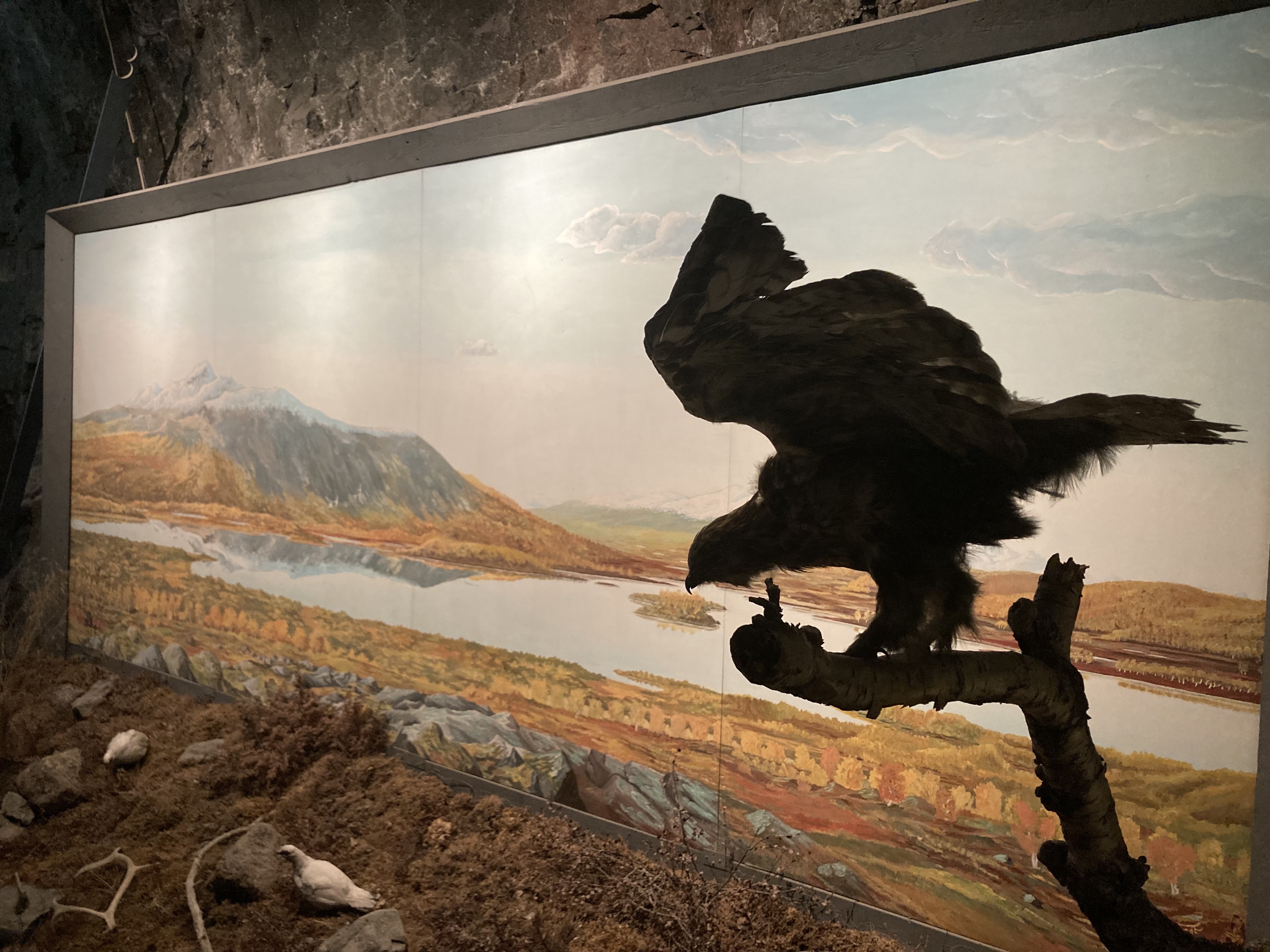
Fig. 1: Landscape of the place Kiruna before mine and town existed
On 23rd to 26th of March the WISE study trip to Kiruna took place. A short flight from Stockholm Arlanda to Kiruna Airport on Monday afternoon brought us to the snow covered lands of Sami, the indigenous population of northern Sweden (Fig. 1). Lanky pine trees, stretching from east to west over the pristine landscape and to the cloud-encircled norwegian mountains dominated the viewer’s eye under the grey sky of the late winter. A harsh wind blew over the airfield – no sidewalk was accompanying the street to the new town of Kiruna, where a bus was bringing the passengers. The WISE students were all accomodated in the Scandic Hotel in the rebuilt town of Kiruna.
The next morning we visited the small campus of Luleå University in the woods outside the city, the rymdcampus (space campus), a hub for studying the atmosphere and the northern lights. We learned about research trying to mimick the behaviour of rocks close to the sun and saw a test area for satellite movement. We also had lectures on the history of the campus and the current projects, including the building of ne EISCAT radar stations (Fig. 2) to study various parts of the sky without delay.
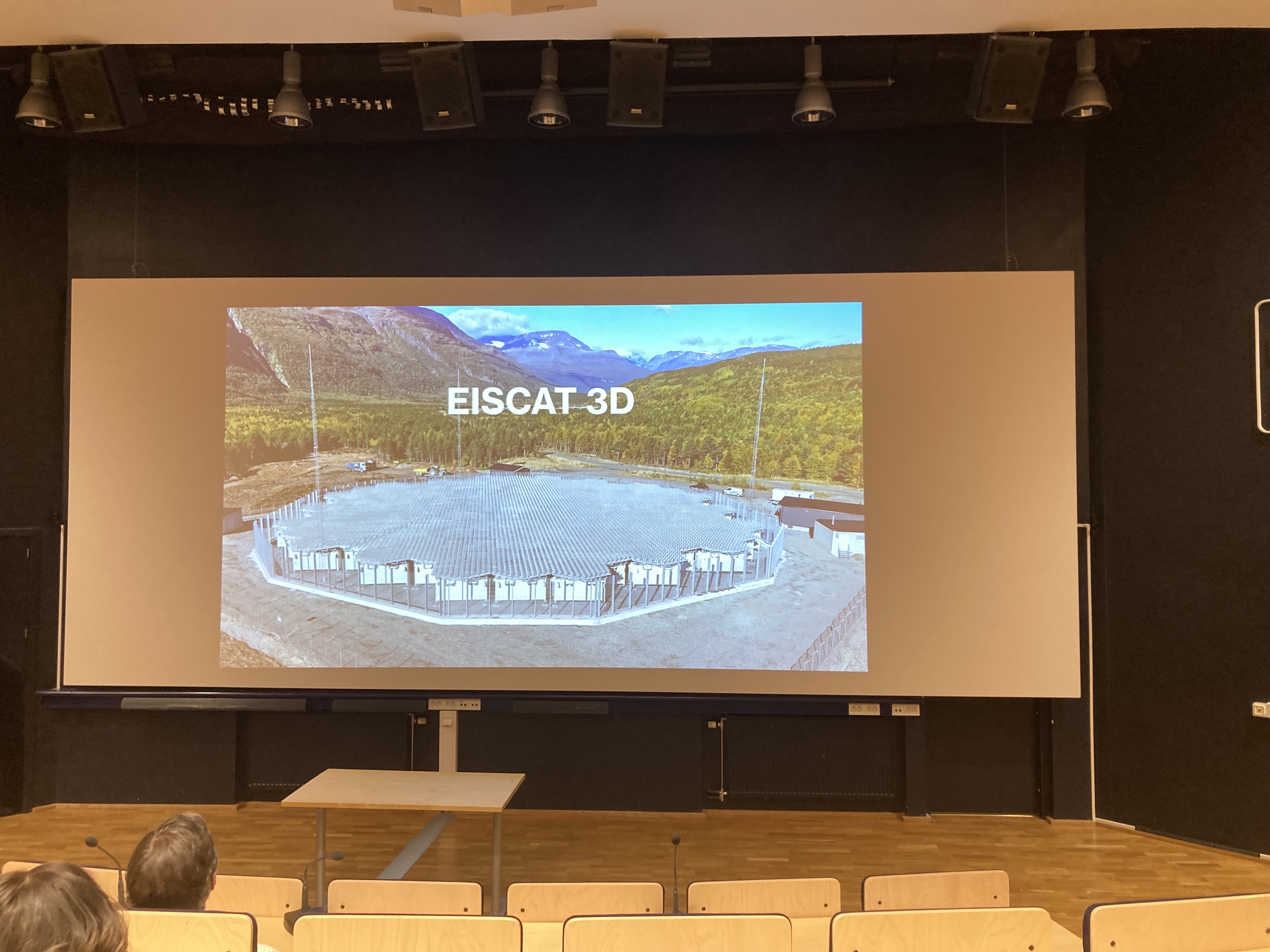
Fig. 2: EISCAT 3D radar station
On Wednesday, the long anticipated visit to the Kiruna mine was undertaken. An odd sensation crept over me, when our bus was heading down into the mine at a steady slope of -10°. At about 540 m below the sea we arrived at LKAB’s visitor center and were welcomed (Fig. 3).
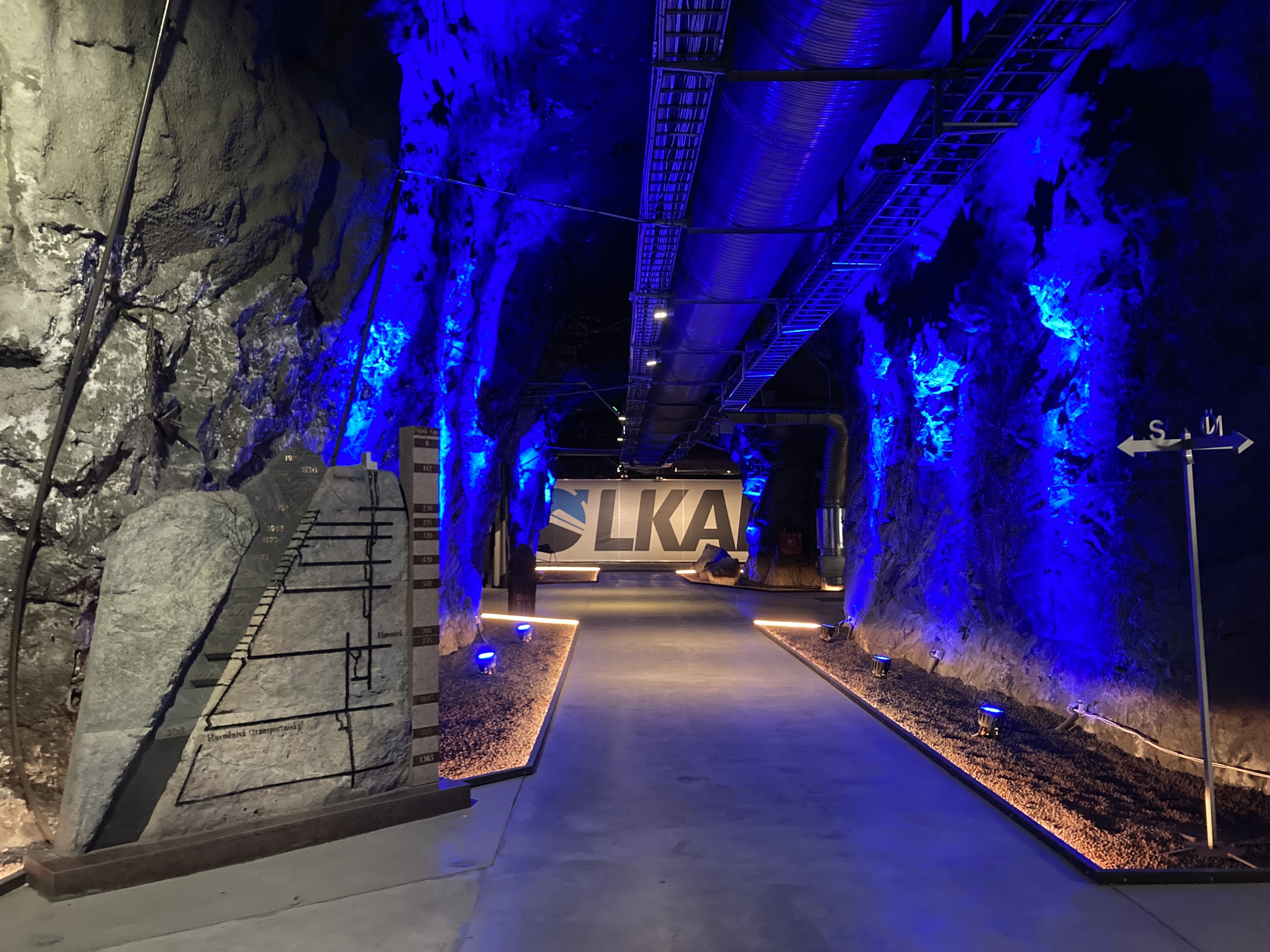
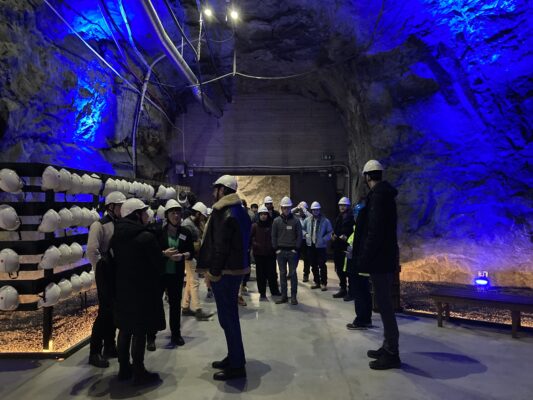
Fig. 3: Visitor center of Kiruna mine at -540 m. Helmets are mandotory.
In the lecture hall of the visitor center, Prof. Pär Jonsén (Fig. 4), welcomed us in person, extending on his presentation at WISE Dialogue meeting last week. Here was the place to ask detailed questions about all steps of the process and get the answers. The iron ore, once the top of the mountain was gradually mined away since the early 20th century (Fig. 5 & Fig. 6). In 1952 the transition to underground mining was decided. Today Kiruna mine is the largest undergound mine for iron ore in the world, supplying Europe with the vast majority of the required iron.
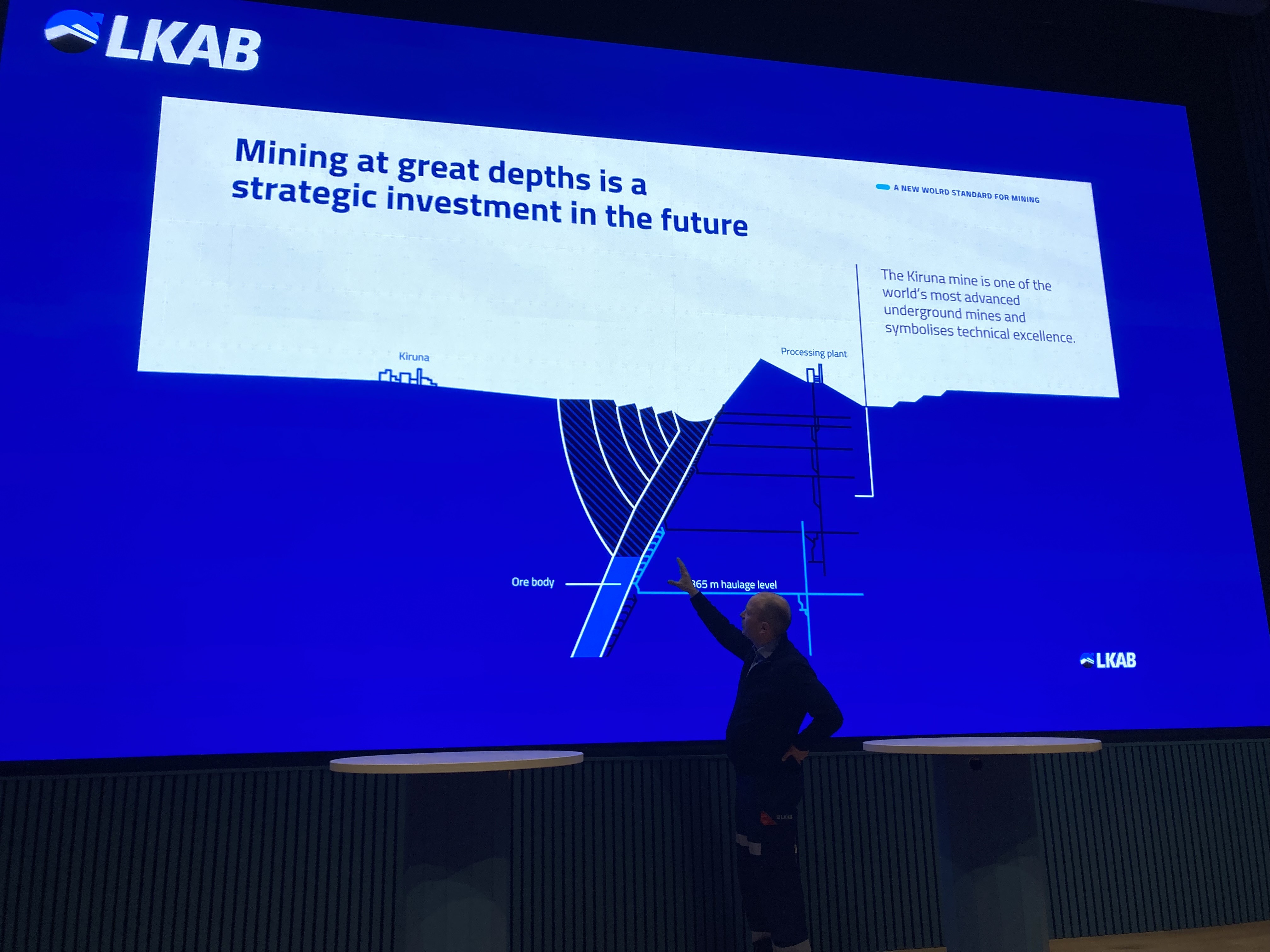
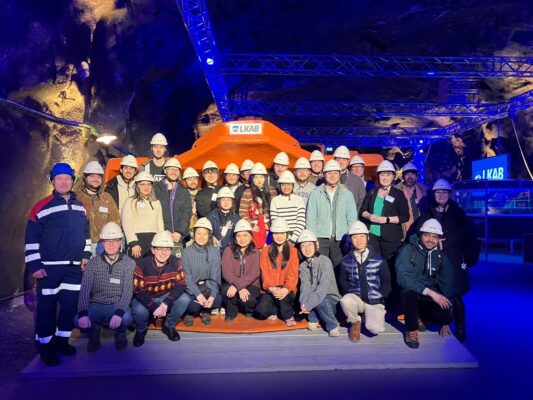
Fig.4: Prof. Pär Jonsén explains the setup of the iron ore Kiruna mine. The study group in the shovel of an excavator.
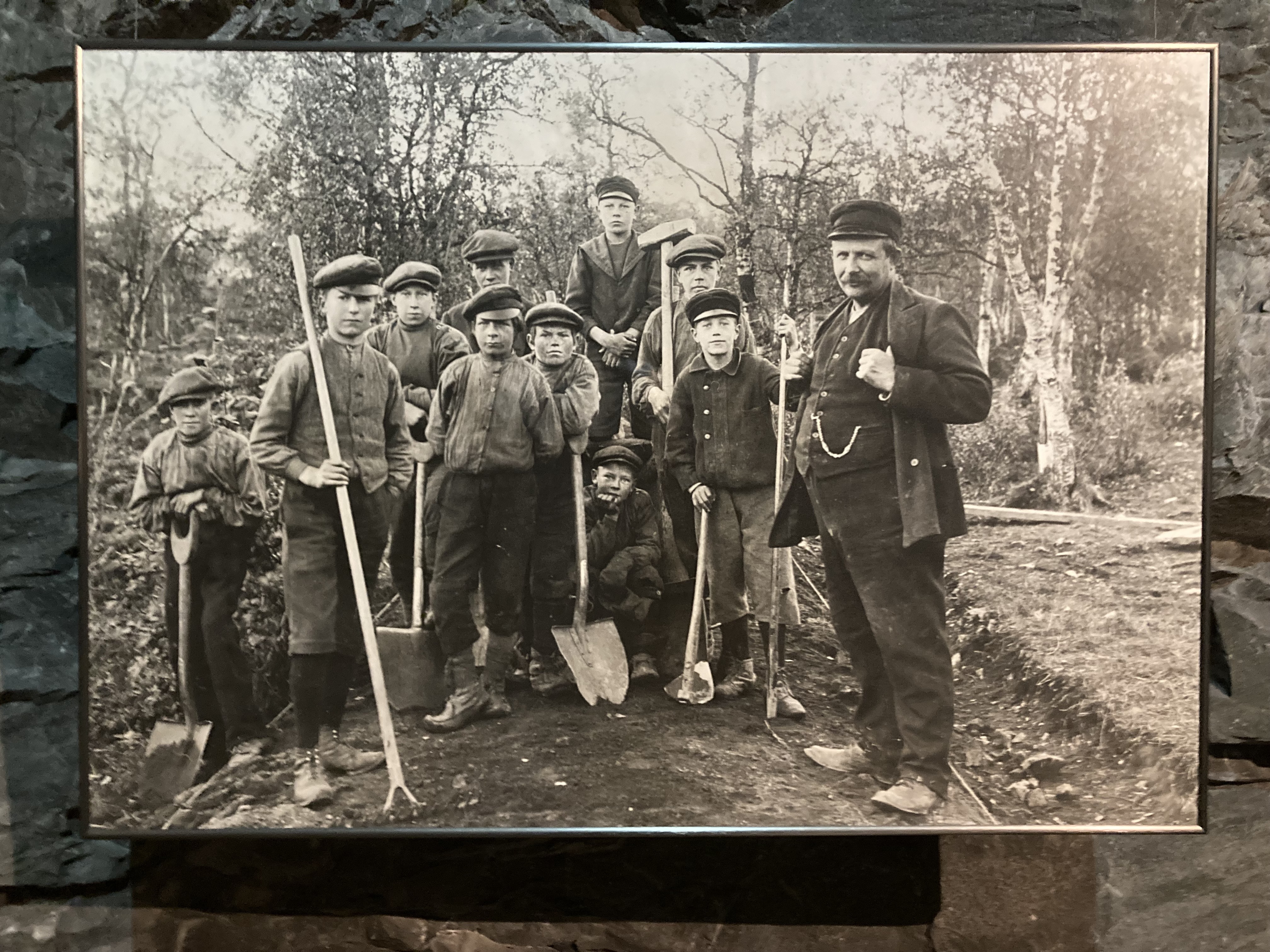
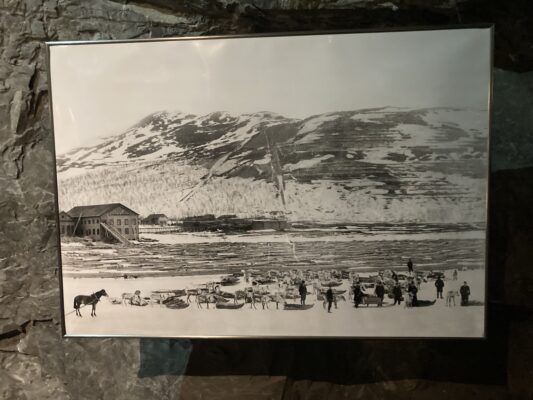
Fig. 5: In the museum of the visitor center.
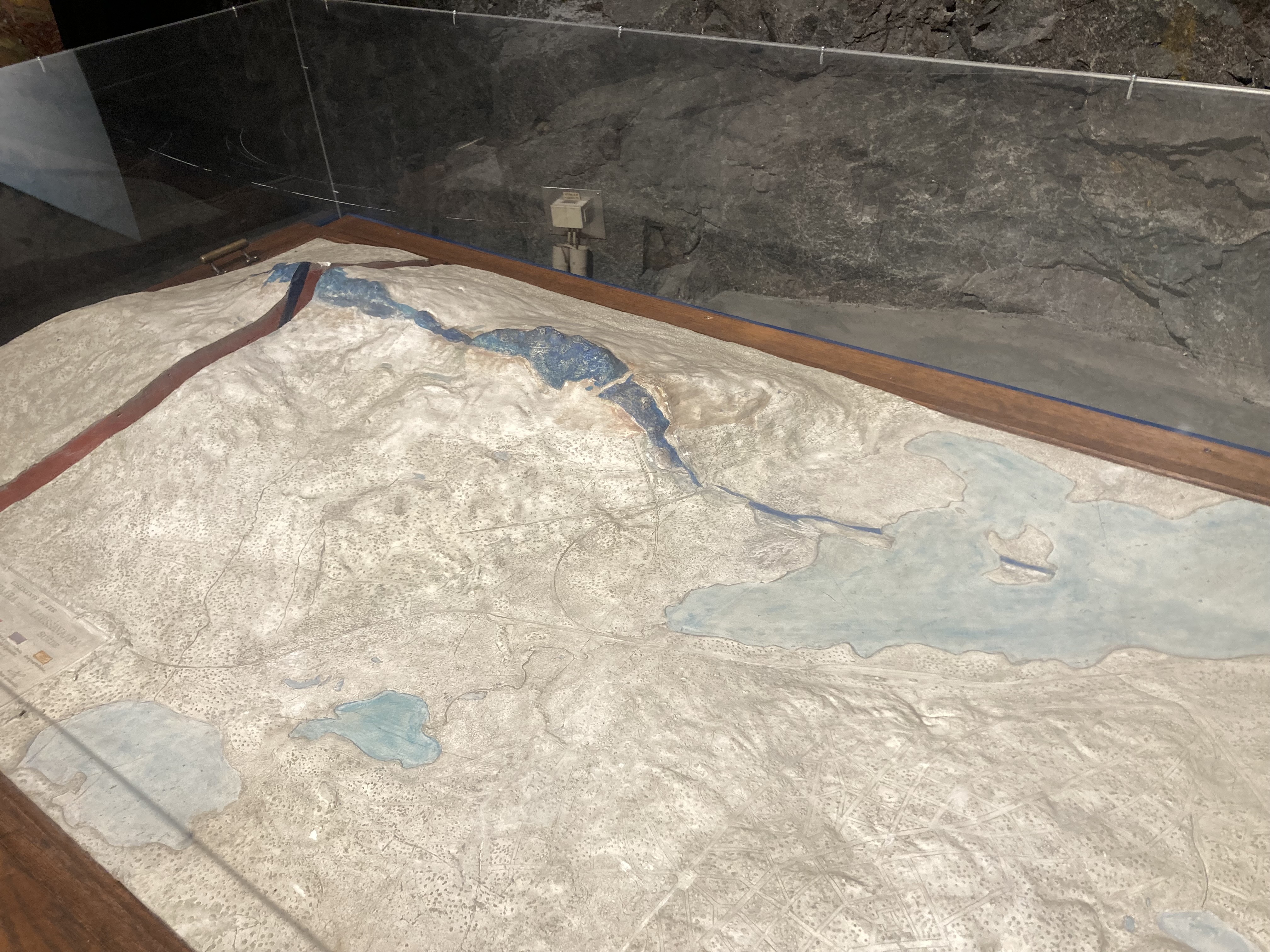
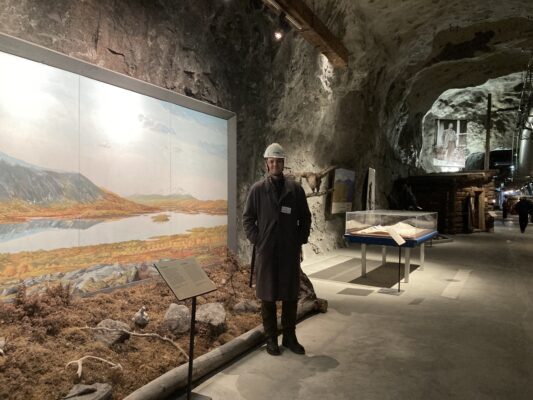
Fig. 6: The mountain that is now Kiruna mine.
In the afternoon we learned about the local culture of the Sami (Fig. 7), shaped by the harsh living conditions and the nomadic life alongside the reindeers. It was a big turnaround of perspectives – coming from the mine the same morning and now getting in touch with the culture of native population who called Kiruna Giron long before the Swedish changed the name. Our guide, being Sami himself, vividly described the oppression his people had to suffer from under the Swedish government and church – mostly rooted in ignorance to the distinct lifestyle and culture.
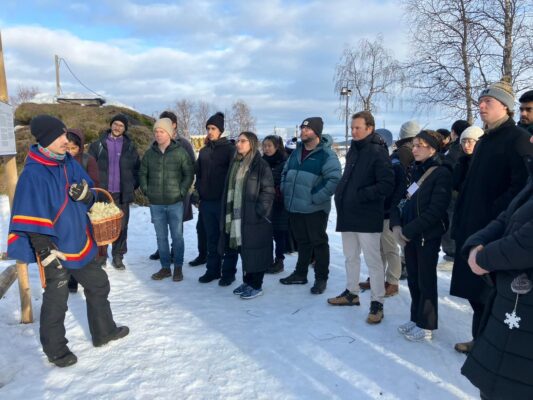
Fig. 7: In Jukkasjärvi.
Later the same day, we visited the Ice Hotel (Fig. 8). The clear water from the nearby river provides the building blocks for the most artistic shaping of ice. The hotel is rebuild every November and melting in May. Every year it will be different.
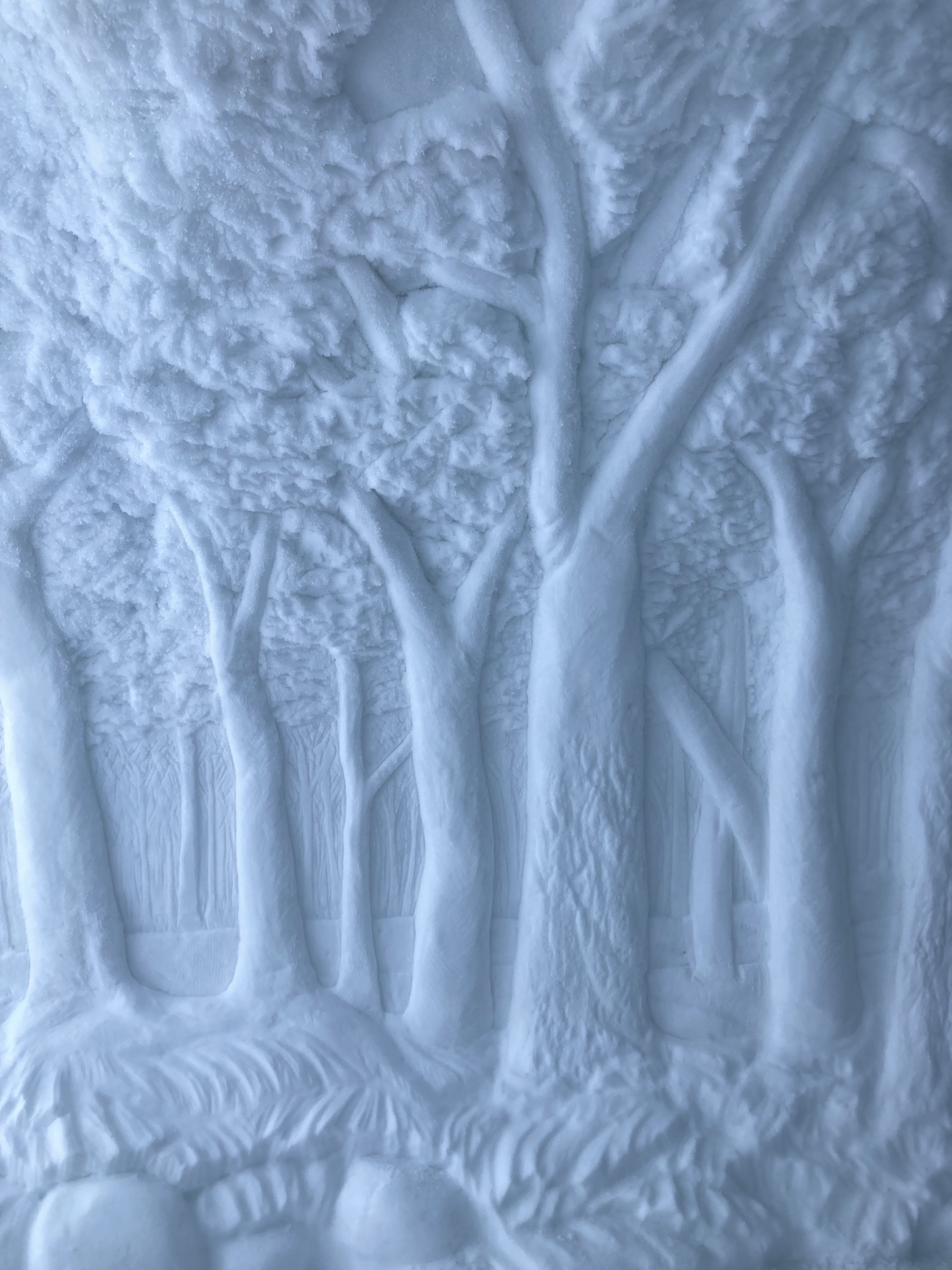
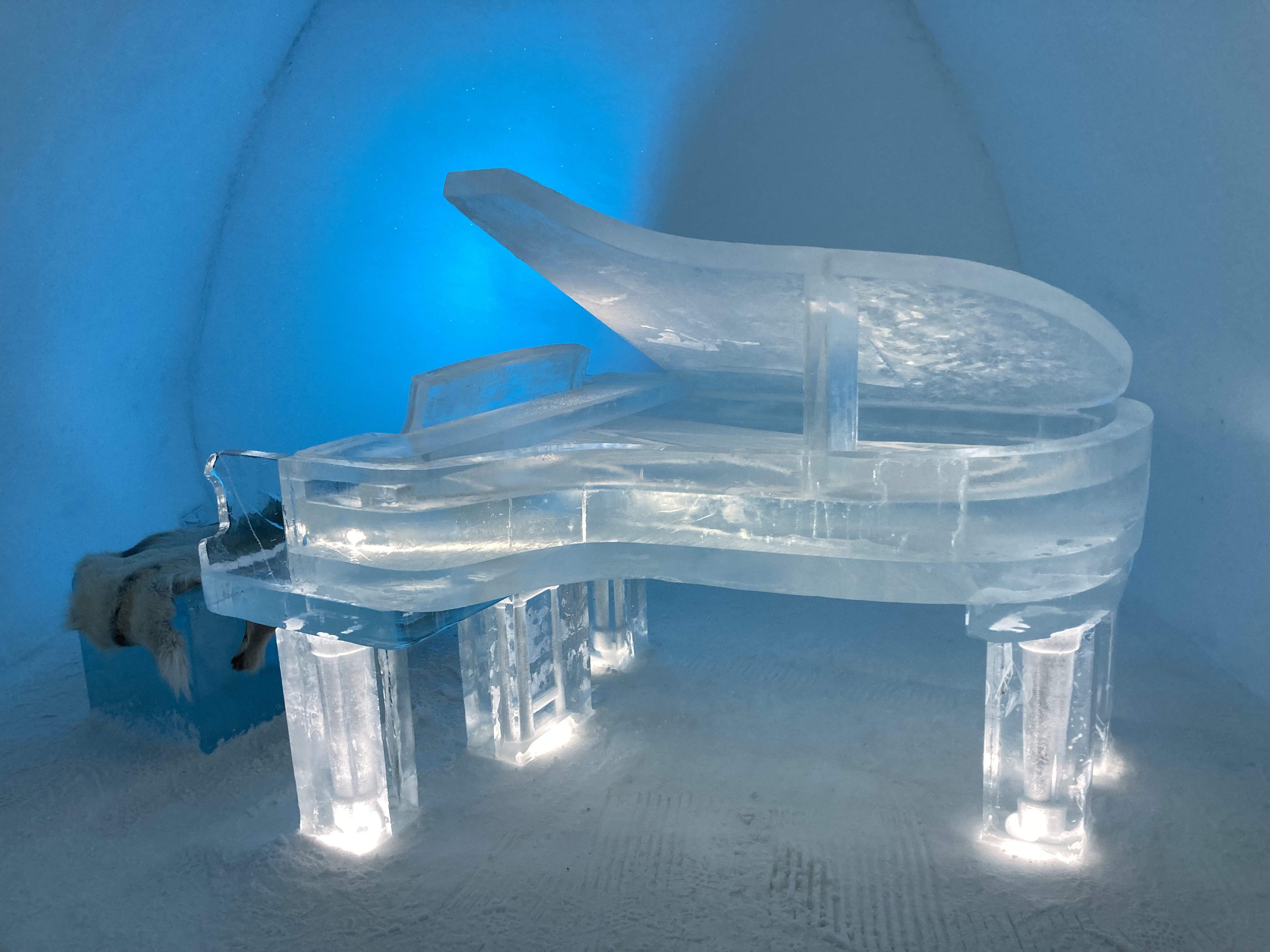
Fig. 8: Ice Hotel.
On Thursday morning we visited ESRANGE, the space hub, that launches sounding rockets for scientific experiments in microgravity and balloons, moving forward to also launch small satellites into the orbit. The sheer number of satellites in the orbit was astonishing (Fig. 9).
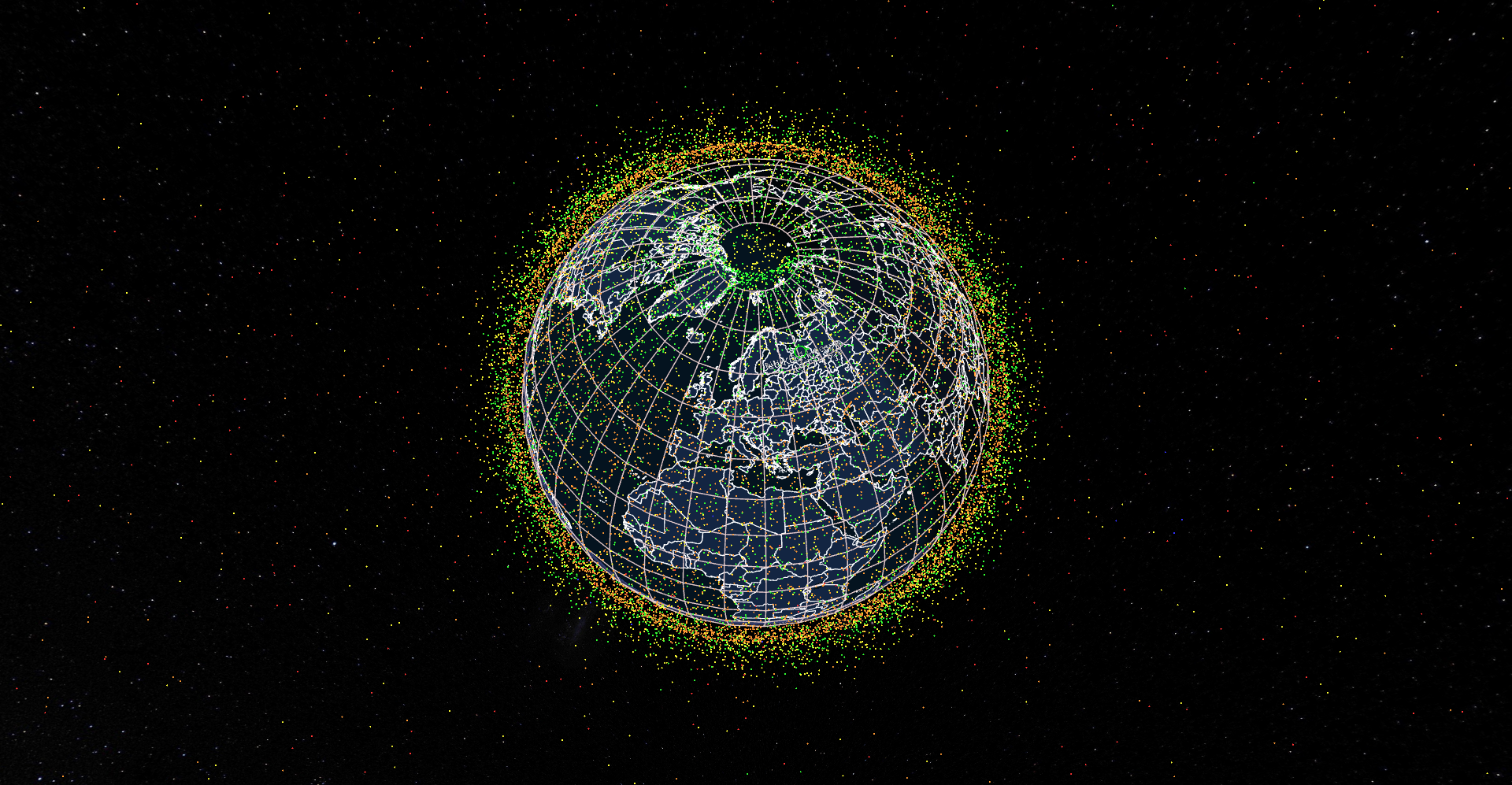
Fig. 9: Satellites surrounding the earth (from https://satellitemap.space/).
Thanks to Nina Grankvist, Kjerstin Wahlström, Peter Dyreklev, Andreas Larsson, Jennie Jordenlöv and everyone who helped in making this engaging study trip possible!